Wooden side gates play a bigger role than most homeowners realise. From security and privacy to style and longevity, asking the right questions early can save you time, money and frustration later.
Wooden side gates are often one of the most used access points around a home. They guide daily movement through gardens, side passages and driveways, while quietly contributing to security, privacy and kerb appeal.
With 87% of UK households having access to a garden, outdoor spaces are now a central part of British life. Spending on gardening products continues to rise, with the market supposedly rising to £6.5 billion in 2025, showing just how much value homeowners place on well-considered outdoor design.
Yet side wooden gates are frequently chosen as an afterthought. This is where problems creep in. Poor fit, weak fixings and short-lived materials can turn a simple garden side gate into a recurring maintenance issue.
Before you commit, these five questions will help you choose wooden side gates that look right, function properly and stand the test of time.
How Much Does a Wooden Side Gate Cost and What Affects the Price?
One of the most common questions is how much does a wooden side gate cost? The short answer is that prices vary widely depending on materials, construction and installation.
A basic softwood side gate may look appealing initially, but cheaper timbers often warp, split or soften within a few years. By contrast, high-quality wooden side gates made from oak or other durable timbers command a higher upfront cost but offer far better longevity.
Factors that influence price include:
When comparing quotes, focus on long-term value rather than headline price. A well-made wooden side gate can last decades, reducing replacement and repair costs over time.
How is the Wooden Side Gate Made?
Understanding how to make a wooden side gate is useful even if you never plan to build one yourself. The construction process directly affects strength, stability and lifespan.
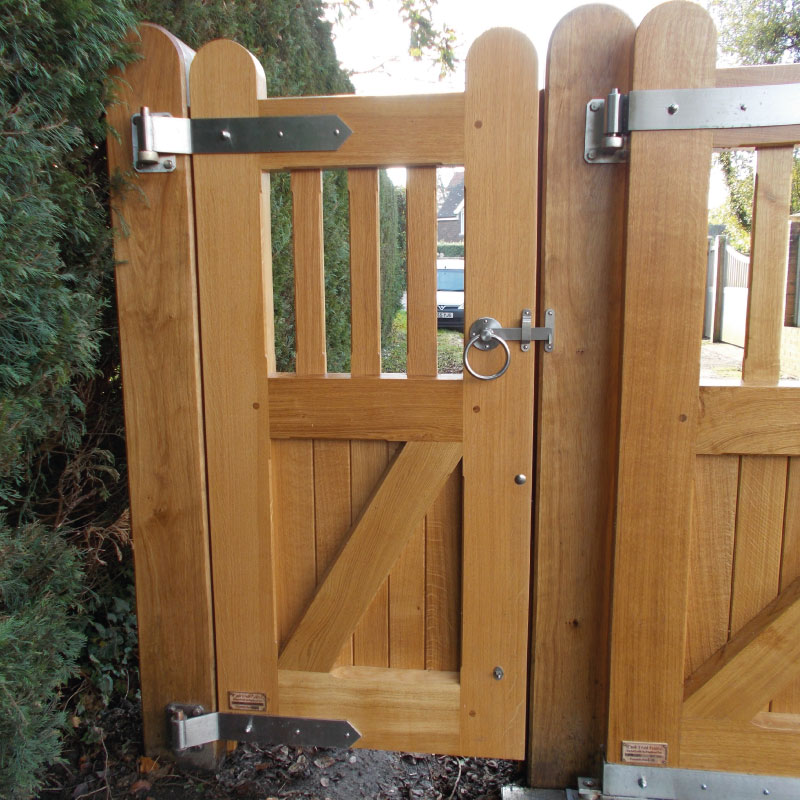
Quality side gates, wooden in design, rely on traditional joinery rather than glued panels or lightweight frames. Mortice and tenon joints, proper bracing and correctly oriented grain all help the gate resist movement as the seasons change.
Timber preparation also matters. Air-dried hardwood behaves very differently from fast-grown, kiln-dried softwood. The former ages gradually and predictably. The latter often reacts aggressively to moisture.
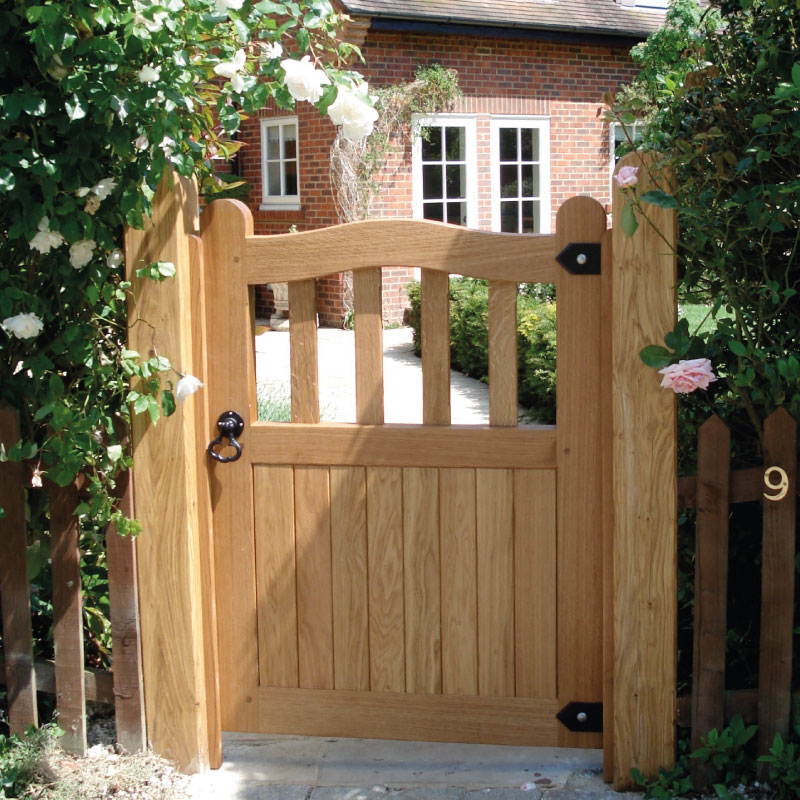
If you want to see how craftsmanship influences design, the Abbeydore oak gate is a strong example of a refined garden side gate built with longevity in mind.
Where Will the Gate Sit and How Often Will It Be Used?
Garden side gates serve different purposes depending on their location. Some divide spaces within a garden. Others control access between public and private areas of a property.
Ask yourself:
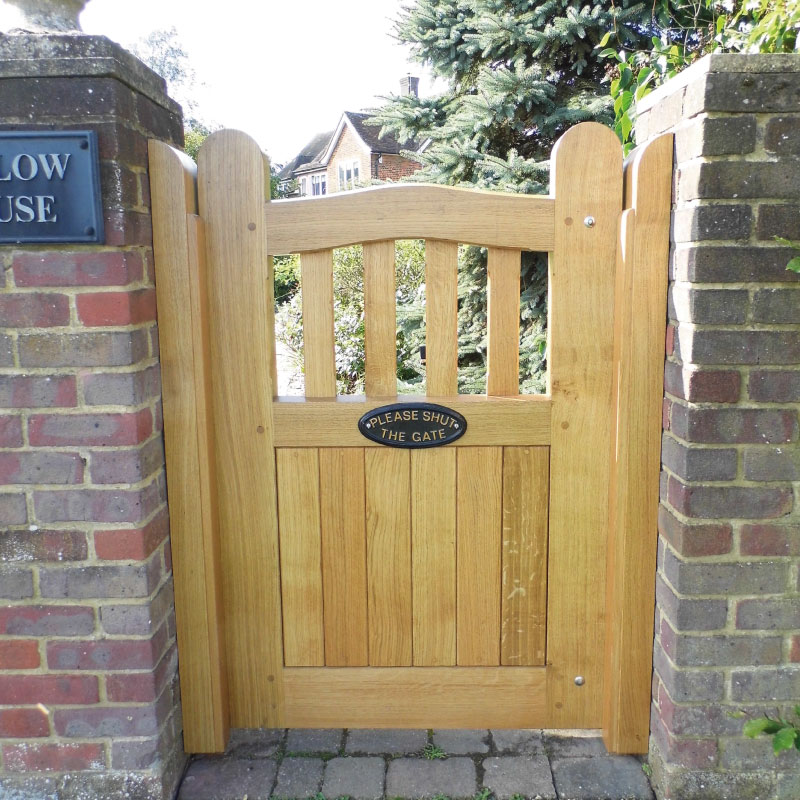
Side wooden gates in narrow passages often need careful hinge placement and strong posts to avoid sagging. Gates in open gardens may benefit from designs that balance privacy with airflow and light. Choosing the right proportions and structure for the setting will make the gate easier to live with day to day.
What Locking and Security Features are Needed?
Security is one of the main reasons homeowners install garden side gates. A poorly specified lock quickly undermines that purpose.
Many people now search for a garden gate lock on both sides, especially where side access is visible from the street. Double-sided locking allows you to secure the gate from inside or outside without compromising convenience.
Consider lock type and durability, ease of use for all household members and compatibility with the gate design.
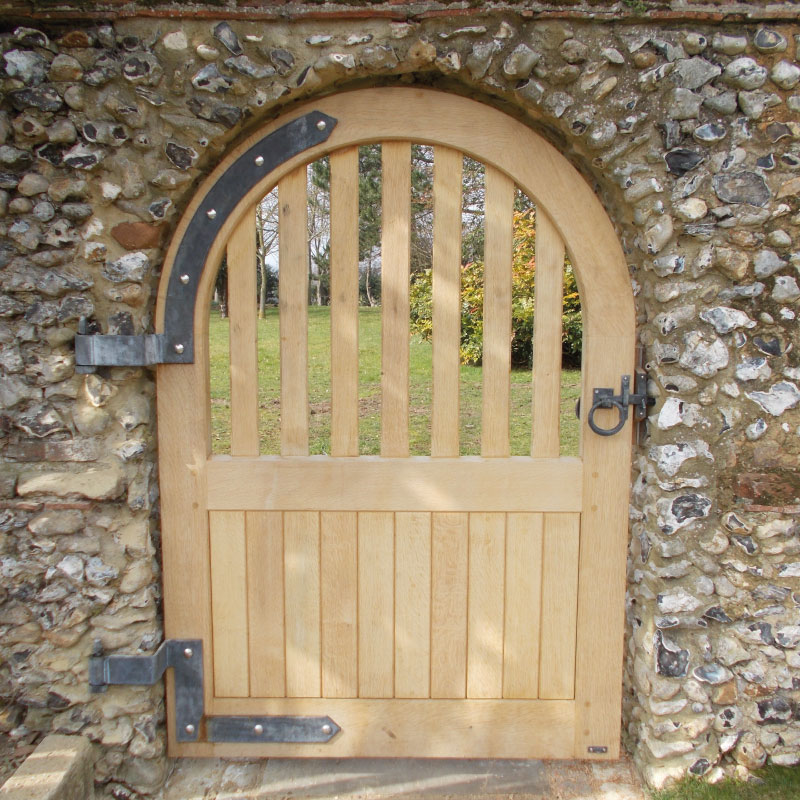
Good ironmongery should feel solid in the hand and operate smoothly over time. It should also suit the character of the gate, rather than looking like an afterthought.
How Will the Gate Age Over Time?
Wooden side gates change as they age. That is part of their appeal, particularly with natural materials like oak.
Some homeowners prefer a gate that weathers to a silvery grey. Others choose to maintain a warmer tone with periodic oiling. Either approach works, provided the gate is designed to cope with moisture movement and exposure.
Think about:
A well-built wooden side gate should age gracefully rather than deteriorate quickly.
Side gates wooden in construction may appear simple, but the best examples reflect careful thought, skilled joinery and a clear understanding of how people use their outdoor spaces.
By asking the right questions around cost, construction, placement, security and longevity, you avoid common pitfalls and end up with a gate that adds real value to your home.
If you’re looking for premium quality, Oak Leaf Gates specialises in handcrafted oak side gates made to order for your property.
Every gate is built using solid European oak, traditional joinery and carefully selected ironmongery, with attention given to how it will age, operate and sit within its surroundings. This approach is designed for homeowners who value longevity, craftsmanship and a gate that feels right for decades, not just a few seasons.
You can explore our full range of oak gate designs or speak directly with our team to discuss your requirements and options.